
Pelvic Floor Reconstructive Surgery in Oxnard
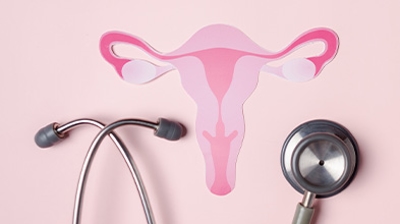
The purpose of the pelvic floor's muscles, ligaments, nerves, and connective tissue is to hold the organs within the pelvic region (bladder, vagina, uterus, small bowel, and rectum) in place. However, as pelvic muscles weaken, it can result in the organs dropping from their normal position, also known as prolapse.
Pelvic reconstructive surgery, also referred to as pelvic floor reconstruction, is designed to treat pelvic organ prolapse (POP). While POP is not considered a life-threatening condition, except in rare cases, it can cause extreme discomfort or pain, sexual dysfunction, and urinary incontinence, which can hinder a woman's quality of life and comfort.
Pelvic floor reconstruction treats POP and restores the pelvic floor anatomy to normal, helping a woman achieve a better quality of life.
What Is Pelvic Organ Prolapse & What Causes It?
One of the most common causes of pelvic organ prolapse is childbirth. One in two mothers suffers some form of pelvic organ prolapse in childbirth.
These conditions include:
- Small bowel prolapse/enterocele
- Vaginal prolapse
- Anterior vaginal prolapse / cystocele
- Posterior vaginal prolapse / rectocele
Other common causes of pelvic organ prolapse include pressure on the abdomen, such as obesity, a chronic long-term cough, constipation, pelvic organ cancers, and a hysterectomy.
Pelvic Organ Prolapse Diagnosis & Customized Treatments in Oxnard
Explaining your symptoms thoroughly to your doctor will help him, or her identify the problem and design an effective treatment solution. While some restorative measures are non-invasive - such as specific exercises and diet/lifestyle changes - reconstructive surgery may be required to restore pelvic functions. There are many different types of procedures, depending on the particular condition.
Pelvic floor reconstruction procedures include:
- Abdominal sacral coloplexy, used in treating vaginal prolapse
- Perineorrhaphy, used in treating posterior vaginal prolapse
- Cystocele repair, used in treating anterior vaginal prolapse
- Uterosacral or sacropinous ligament fixation, used in treating vaginal prolapse
- Sacral colpopexy, used in treating small bowel prolapse
Essential Recovery Tips for Your Pelvic Reconstruction Surgery
Pelvic floor reconstruction surgery recovery involves several key aspects. Patients can expect initial pain and discomfort, managed with prescribed medications. Follow postoperative care instructions carefully, including restrictions on activities and a gradual return to normalcy. Pelvic floor physical therapy may be recommended for optimal healing and muscle strengthening. Regular follow-up appointments are essential for monitoring progress. Patience is vital, as recovery duration varies. It's crucial to adhere to your surgeon's advice on resuming activities, diet, and any necessary lifestyle adjustments for a successful recovery.
Schedule Your Custom Pelvic Floor Consultation in Oxnard Today
Set up an appointment with our Oxnard gynecology office as soon as possible. We have been serving patients in Ventura County and surrounding areas since 2009 and are affiliated with Antelope Valley Hospital, St. John's Pleasant Valley Hospital, and Ojai Valley Community Hospital. We serve women at all stages of life, providing nuanced, compassionate, high-quality care concerning the cornerstones of our practice: effective education, communication, and collaboration with our patients. Building relationships and partnering with you in your healthcare is important to us.
Get in Touch with Rassetti Gynecology today at (805) 278-0190 for Pelvic Floor Reconstruction in Ventura County!
Pelvic Floor Reconstruction Support for Women in Oxnard & Ventura County
Living in Oxnard often means staying busy—balancing work, family, and daily responsibilities throughout Ventura County. When pelvic organ prolapse symptoms appear—such as pelvic pressure, a vaginal bulge sensation, urinary leakage, or bowel changes—they can disrupt everyday routines like school drop-offs, grocery trips, exercise, and even sleep. Many women delay seeking care because the symptoms feel personal or they assume discomfort after childbirth or hysterectomy is simply “normal.” It’s not something you have to live with.
Our Oxnard gynecology office provides clear, practical guidance about what your symptoms may indicate, which non-surgical options are available, and when pelvic floor reconstructive surgery may be appropriate. We also discuss real-life recovery considerations—commuting on the 101, arranging childcare, returning to physically demanding work, and managing issues like constipation or chronic coughing that can worsen prolapse over time.
As you plan treatment and recovery, local and state resources may help (availability varies):
- Ventura County Public Health and community programs offering women’s health education and referrals
- California Employment Development Department (EDD) for Paid Family Leave (PFL) and State Disability Insurance (SDI) benefits during recovery
- 211 Ventura County for transportation, childcare, and community service connections
- City of Oxnard resources for local service directories and support programs
If you’re experiencing pelvic pressure, urinary incontinence, discomfort with intimacy, or a sensation that something is “falling,” a consultation can provide clarity. With an accurate diagnosis and a personalized plan—whether pelvic floor therapy, lifestyle adjustments, or reconstructive surgery—you can move forward with confidence and support tailored to your life in Oxnard.
Comprehensive Pelvic Reconstructive Surgery in Ventura County
The purpose of the pelvic floor's muscles, ligaments, nerves, and connective tissue is to hold the organs within the pelvic region (bladder, vagina, uterus, small bowel, and rectum) in place. However, as pelvic muscles weaken, it can result in the organs dropping from their normal position, also known as prolapse.
Pelvic reconstructive surgery, also referred to as pelvic floor reconstruction, is designed to treat pelvic organ prolapse (POP). While POP is not considered a life-threatening condition, except in rare cases, it can cause extreme discomfort or pain, sexual dysfunction, and urinary incontinence, which can hinder a woman's quality of life and comfortability.
Pelvic floor reconstruction treats POP and restores the pelvic floor anatomy to normal, helping a woman achieve a better quality of life.
Understanding Pelvic Organ Prolapse and Its Causes
One of the most common causes of pelvic organ prolapse is childbirth. One in two mothers suffers some form of pelvic organ prolapse in childbirth.
These conditions include:
- Small bowel prolapse/enterocele
- Vaginal prolapse
- Anterior vaginal prolapse / cystocele
- Posterior vaginal prolapse / rectocele
Other common causes of pelvic organ prolapse include pressure on the abdomen, such as obesity, a chronic long-term cough, constipation, pelvic organ cancers, and a hysterectomy.
Expert Diagnosis and Tailored Treatments in Oxnard
Explaining your symptoms thoroughly to your doctor will help him, or she identify the problem and design an effective treatment solution. While some restorative measures are non-invasive - such as specific exercises and diet/lifestyle changes - reconstructive surgery may be required to restore pelvic functions. There are many different types of procedures, depending on the particular condition.
Pelvic floor reconstruction procedures include:
- Abdominal sacral coloplexy, used in treating vaginal prolapse
- Perineorrhaphy, used in treating posterior vaginal prolapse
- Cystocele repair, used in treating anterior vaginal prolapse
- Uterosacral or sacropinous ligament fixation, used in treating vaginal prolapse
- Sacral colpopexy, used in treating small bowel prolapse
Guidance for Pelvic Reconstruction Surgery Recovery
Pelvic floor reconstruction surgery recovery involves several key aspects. Patients can expect initial pain and discomfort, managed with prescribed medications. Follow postoperative care instructions carefully, including restrictions on activities and a gradual return to normalcy. Pelvic floor physical therapy may be recommended for optimal healing and muscle strengthening. Regular follow-up appointments are essential for monitoring progress. Patience is vital, as recovery duration varies. It's crucial to adhere to your surgeon's advice on resuming activities, diet, and any necessary lifestyle adjustments for a successful recovery.
Book Your Personalized Pelvic Floor Consultation in Oxnard
Set up an appointment with our Oxnard gynecology office as soon as possible. We have been serving patients in Ventura County and surrounding areas since 2009 and are affiliated with Antelope Valley Hospital, St. John's Pleasant Valley Hospital, and Ojai Valley Community Hospital. We serve women at all stages of life, providing nuanced, compassionate, high-quality care concerning the cornerstones of our practice: effective education, communication, and collaboration with our patients. Building relationships and partnering with you in your healthcare is important to us.
Common Questions About Pelvic Floor Reconstruction Surgery
How long does pelvic floor reconstruction surgery take?
The duration of the surgery can vary depending on the complexity of the procedure. In general, most surgeries can be completed in a few hours.
How long will it take to fully recover from pelvic floor reconstruction surgery?
The recovery time varies depending on the type of surgery and individual factors. It may take several weeks or months to fully recover. Our doctor will monitor your progress and provide guidance throughout the healing process.
How often will I need follow-up appointments after surgery?
You will have follow-up appointments to monitor your recovery and address any concerns. The frequency of these appointments will vary, but you may have them every few weeks or months.
Can I return to work after pelvic floor reconstruction surgery?
The time it takes to return to work will depend on the type of surgery and your individual recovery. Our doctor will provide specific guidelines based on your situation.
Will I need physical therapy after my pelvic floor reconstructive surgery?
Yes, pelvic floor physical therapy is highly recommended for most patients. It plays a vital role in strengthening the muscles, improving bladder and bowel control, and restoring core function for long-term support of the surgical repair.
Can the reconstructed pelvic floor prolapse again after a successful surgery?
Yes, there is a risk of recurrence, though surgery significantly reduces the odds. Factors like chronic straining, heavy lifting, obesity, and chronic coughing can increase the risk of the prolapse returning over time.
How long until I can return to strenuous exercise, like running or weightlifting?
You should avoid all strenuous activity, high-impact exercise, and heavy resistance training for at least 6 to 12 weeks. Your surgeon will clear you for a gradual return to these activities based on your healing progress.
What dietary changes are important during the recovery period?
The most important change is a diet rich in fiber and plenty of fluids to prevent constipation and straining. Straining puts harmful pressure on the healing repair, so keeping bowel movements soft and regular is essential.
Schedule an Appointment Today to Learn More About our Expert Pelvic Floor Reconstructive Surgery in Oxnard, CA
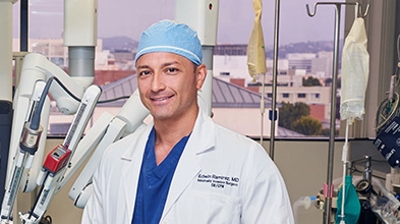
Pelvic floor disorders can significantly impact a woman’s daily comfort, mobility, and confidence. Located in Ventura County, Rassetti Gynecology provides advanced, patient-centered care for women experiencing pelvic organ prolapse, severe tissue relaxation, and related pelvic floor conditions. Under the leadership of Dr. Edwin Ramirez, MD—a board-certified gynecological surgeon specializing in minimally invasive techniques—the practice delivers specialized surgical solutions tailored to each patient’s unique anatomical needs and lifestyle goals.
Pelvic floor disorders do not have to compromise your physical comfort, confidence, or daily activity. With expert pelvic floor reconstructive surgery at Rassetti Gynecology in Oxnard, CA, patients can regain optimal pelvic health, functional support, and an enhanced quality of life. If you are experiencing symptoms of pelvic organ prolapse or incontinence, schedule a confidential consultation with Rassetti Gynecology today to explore your personalized treatment options.
Get in Touch with Rassetti Gynecology today at (805) 278-0190 for Expert Pelvic Floor Reconstruction in Ventura County!


-
 Has Surgery Been the Recommended Cure to Your Gynecologic Condition?
 -
Put Our Board Certified Medical Professional To Work For You
-
Fully Equipped To Handle A Wide Variety Of Procedures
-
Board Certified by the American Board of Obstetrics and Gynecology